 VR headset
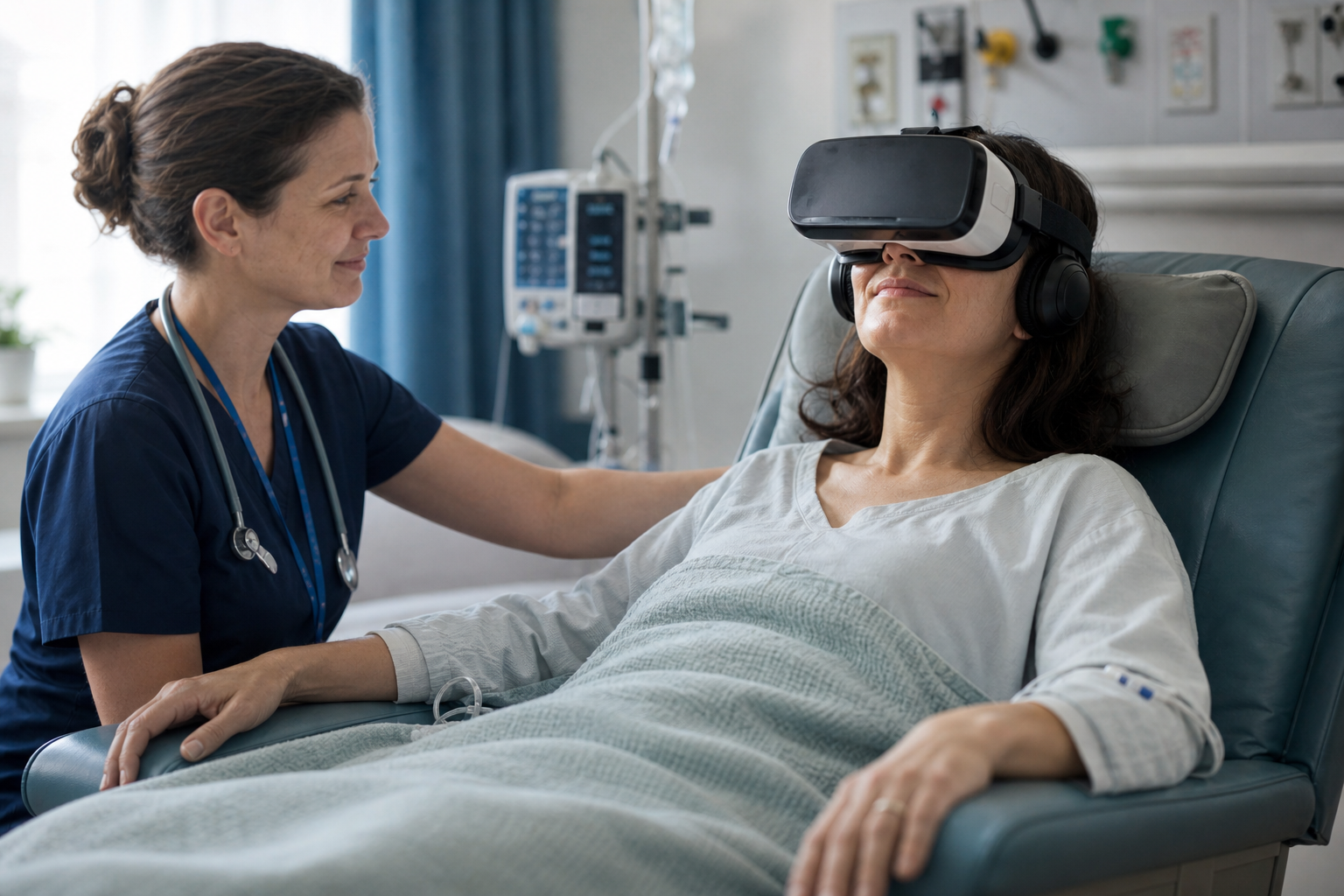
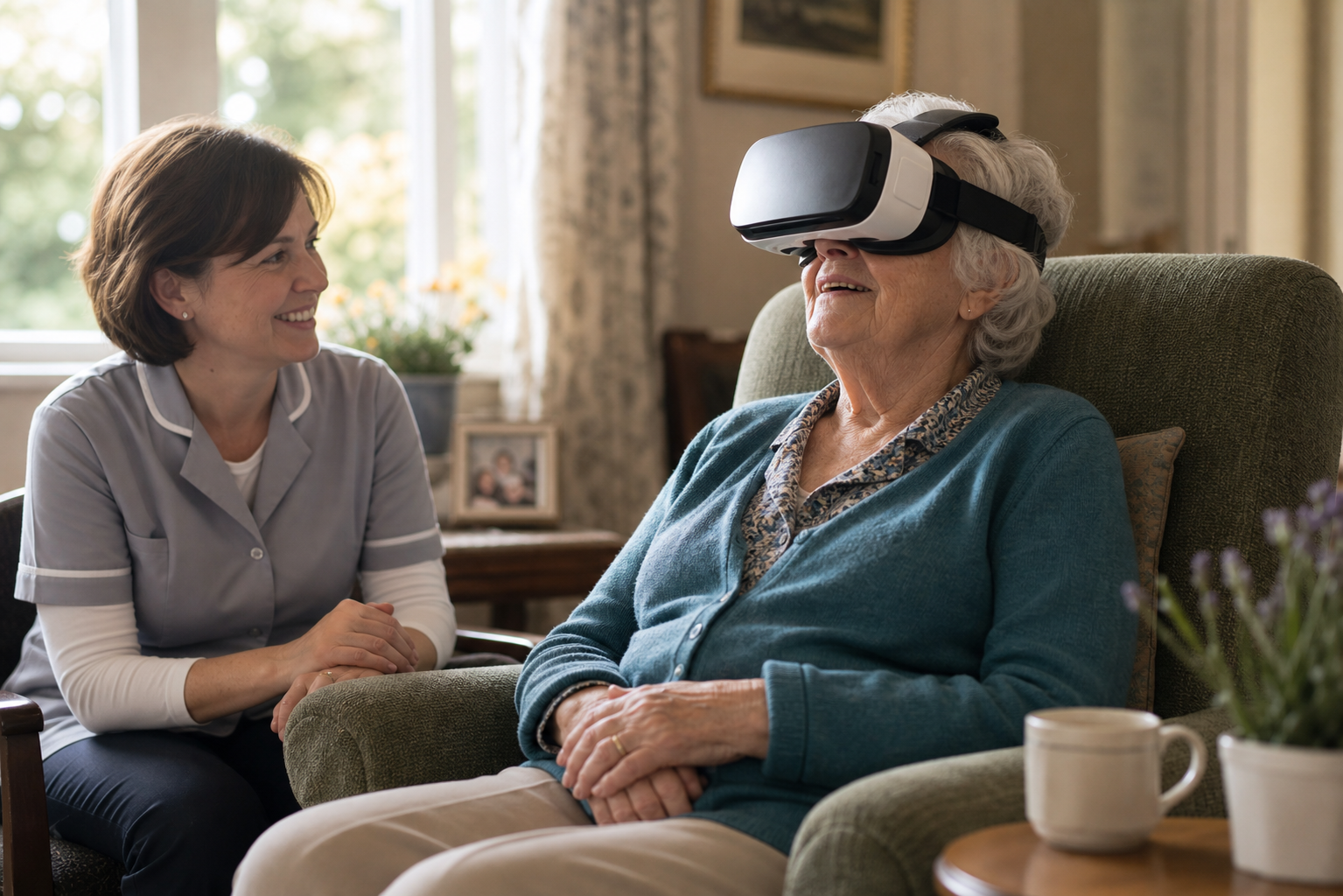
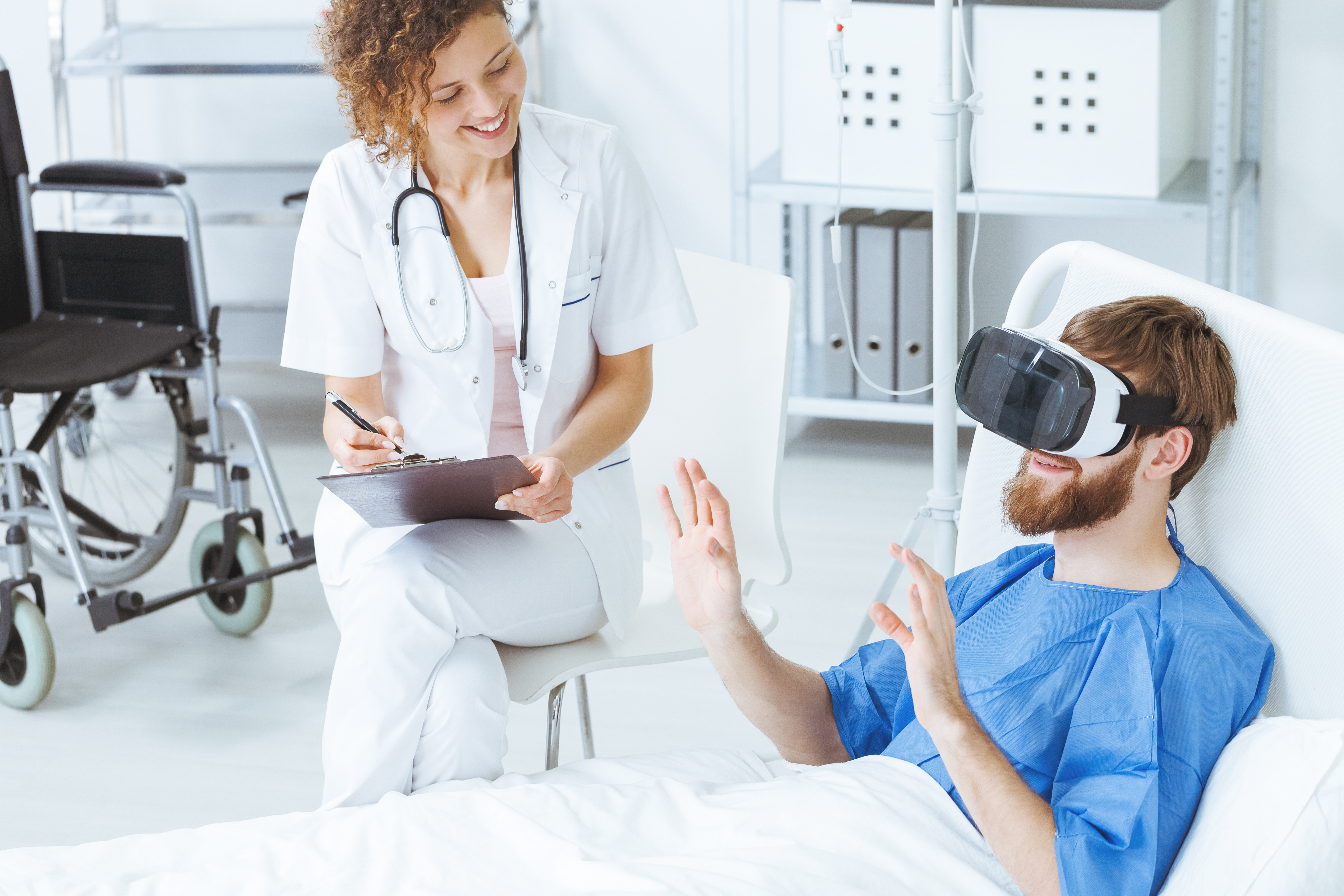
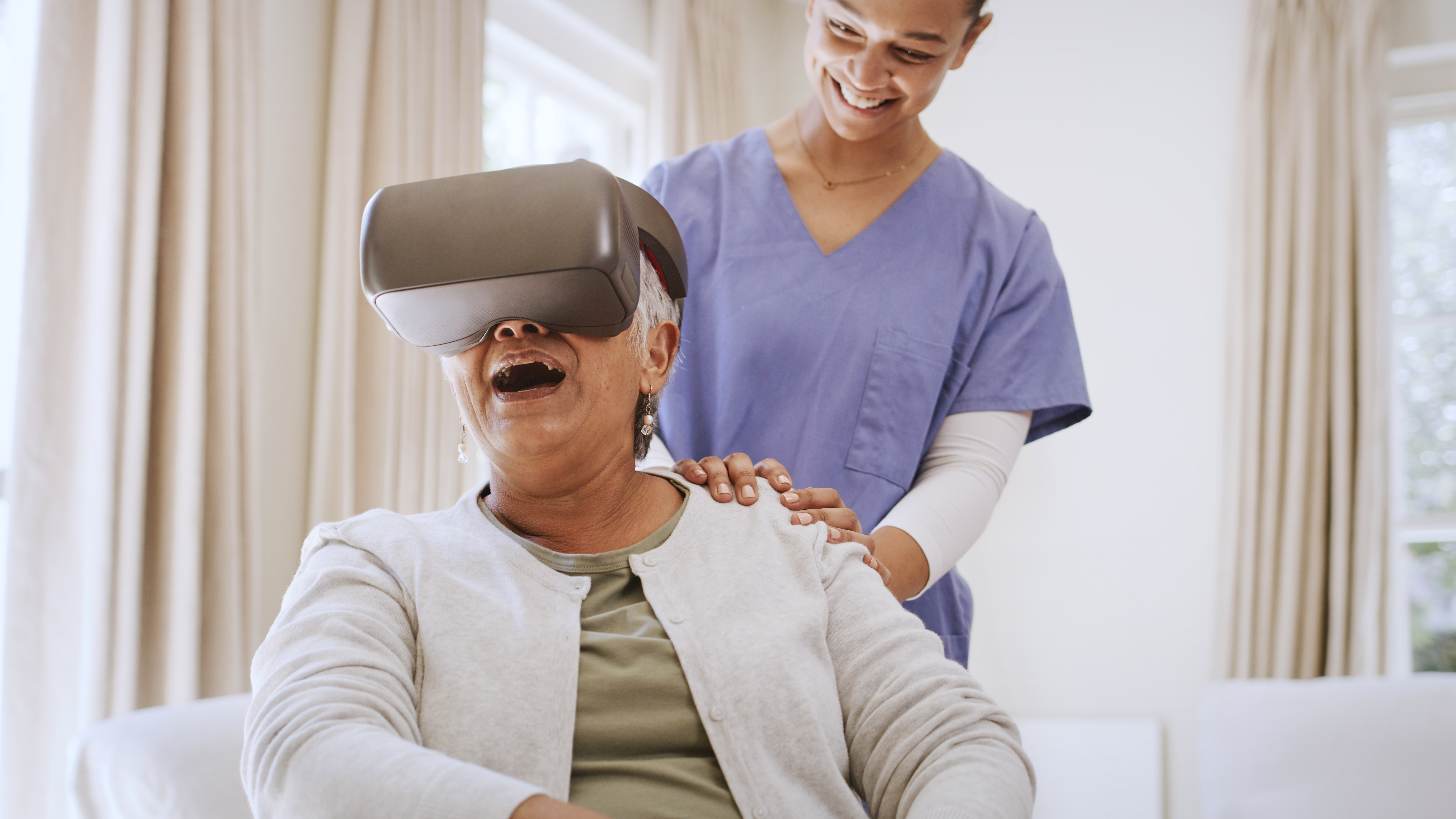
The person enters the journey through a headset.
The headset lets them look around the destination as if they are inside the place.
Health benefits & evidence
Cinematic 360 journeys that offer moments of peace, wonder, and connection for people spending time in care.
How it works
A Sentio Atlas session is simple to set up. The person wears a VR headset, chooses a journey from the library, and can be supported by a care team member, family member, or facilitator, or experience it quietly on their own where appropriate.
VR headset
The headset lets them look around the destination as if they are inside the place.
 Library access
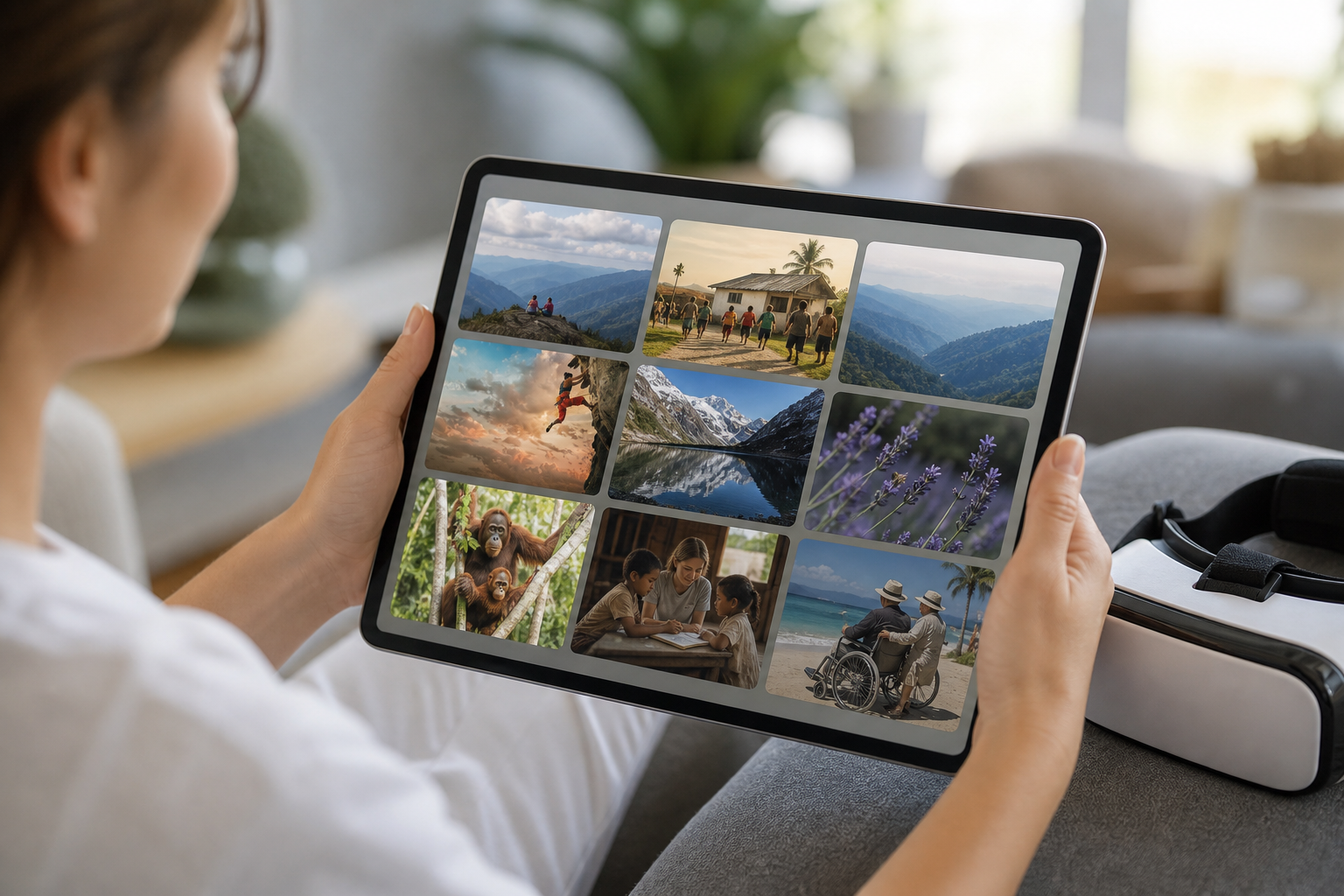
A care team can choose calm nature, travel, culture, history, or purpose-led journeys.
 Wi-Fi or storage
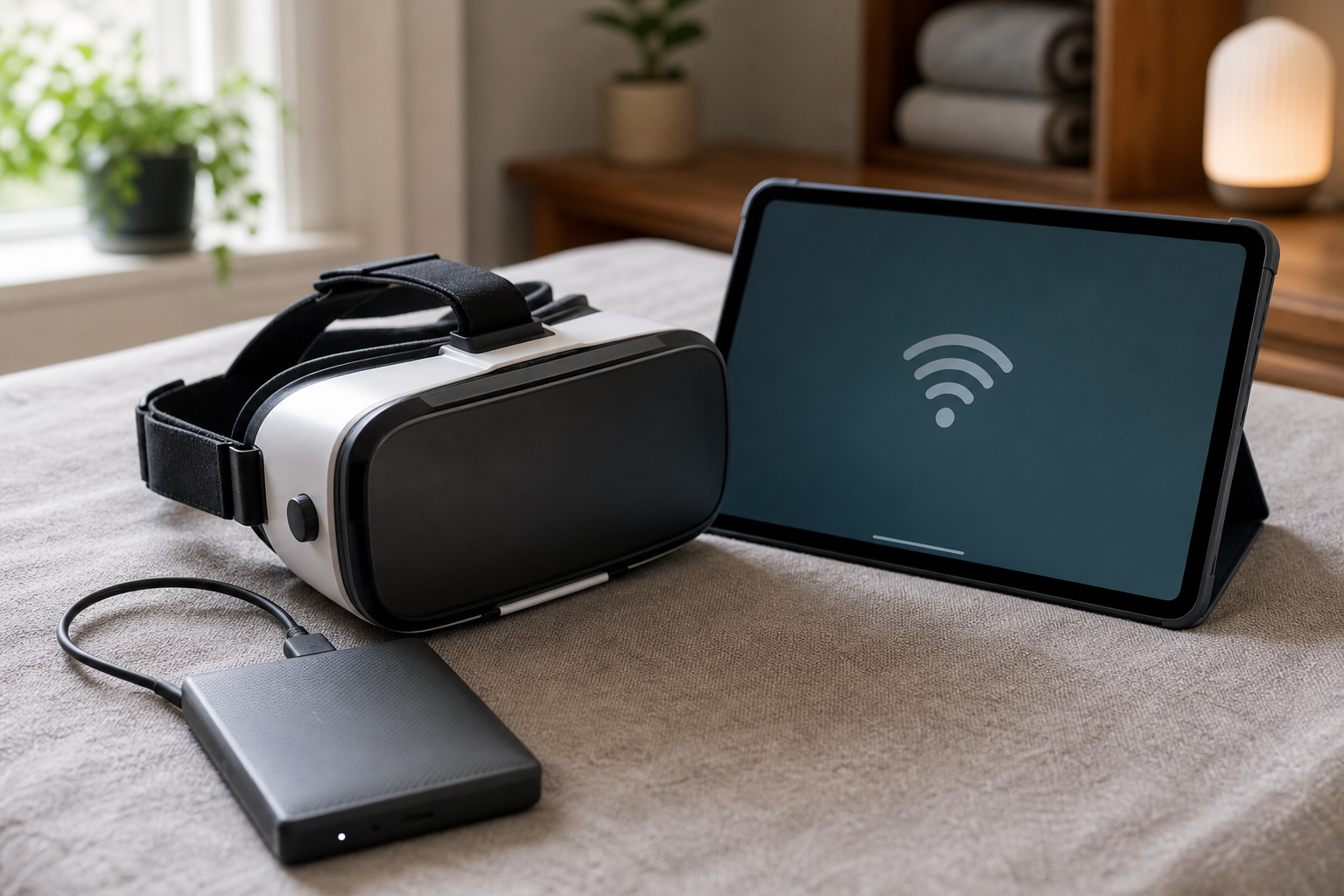
Programs can use Wi-Fi where available, or stored content where internet access is limited.
 Sensory extras
Optional scent and touch items can make selected journeys feel more immersive.
Published evidence
These sources support careful use of VR and digital nature as supportive wellbeing, patient-experience, pain-distraction, and rehabilitation tools.
A randomized hospital trial found larger short-term pain reductions after VR compared with health and wellness television.
PLOS ONEA 2024 JMIR Mental Health review found VR wellbeing programs can support stress reduction, while noting that stronger studies are still needed.
JMIR Mental HealthA Cochrane review found VR may slightly improve arm function, balance, and activity limitation after stroke when used in care programs.
CochraneA 2024 review and meta-analysis reported that digital nature exposure can reduce stress, based on 886 participants.
PubMedA large Scientific Reports study linked at least 120 minutes in nature per week with higher self-reported health and wellbeing.
Scientific ReportsCare settings
A session might bring ocean calm into a long treatment day, a familiar street into aged care, a forest walk into recovery, or a purpose-led story to someone who still wants to feel part of the world.
Partnership invitation
Sentio Atlas is looking to partner with hospitals, rehabilitation teams, aged care providers, psychologists, wellbeing spaces, and research partners to create safe, beautiful, evidence-informed immersive travel programs.
Together, we can design the right journeys, protect patient comfort, gather meaningful feedback, and build experiences that help people feel calmer, more connected, and less defined by the room they are in.
Start a health partnershipSentio Atlas is not a medical treatment or substitute for clinical care. Health programs should be designed with qualified providers, consent, safety screening, and evaluation.